DESTINATIONS
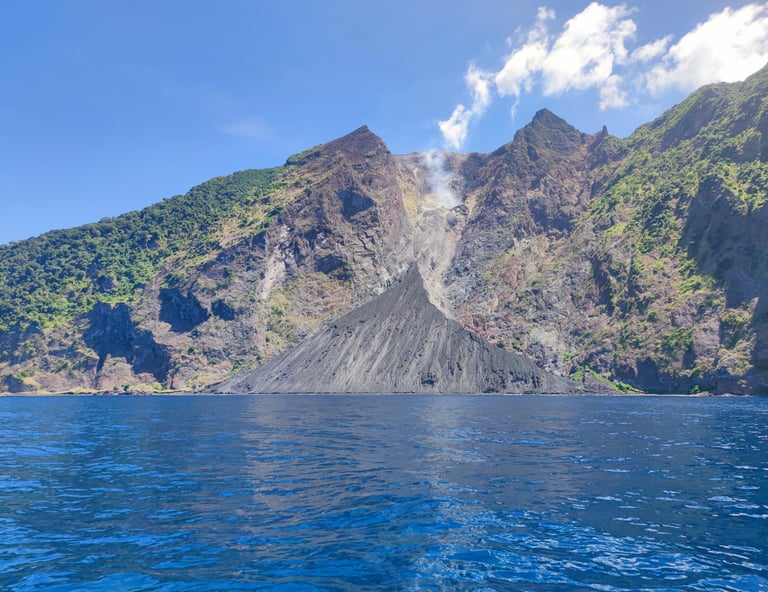
Indonesia’s notable giant volcanoes are famous not just for their current activity, but for how they have historically shaped global climate:
Mount Merapi (Central Java): Translated as "Mountain of Fire," it is the most active volcano in Indonesia, erupting regularly and forcing local evacuations.
Krakatoa (Sunda Strait): Famous for its cataclysmic 1833 eruption, which was loudest sound ever recorded in modern history and cooled the global climate for years. Today, its "child," Anak Krakatau, remains highly active.
Mount Tambora (Sumbawa): Its 1815 eruption was the largest in recorded history. It threw so much ash into the atmosphere that 1816 became known globally as the "Year Without a Summer," causing widespread crop failures in Europe and North America.
Lake Toba (Sumatra): Now a peaceful lake, this is actually a massive supervolcano caldera. Its eruption ~74,000 years ago was a planet-altering event that created a genetic bottleneck for early humans
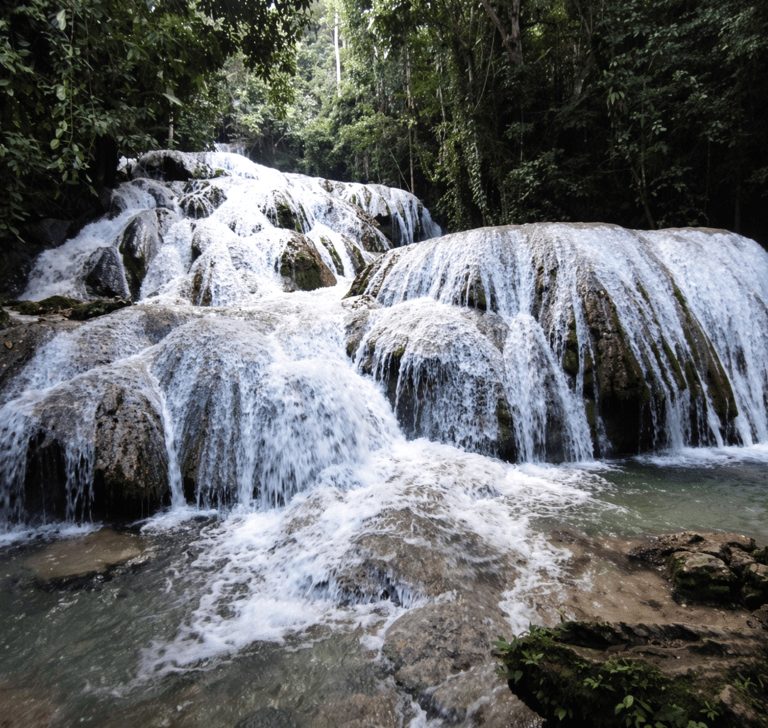
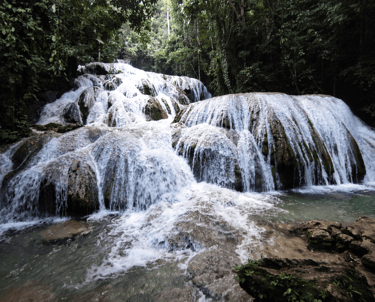
Indonesia has so many waterfalls, rivers, lakes and hotsprings because it sits on the volcanically active Pacific Ring of Fire, which creates towering, steep mountain ranges and deep valleys. Combined with a tropical climate and abundant, year-round rainfall, these rugged, uplifted landscapes allow countless aquatic landscape to carve dramatic cascades across the archipelago. The sheer abundance of cascades is driven by a unique mix of geology and weather:
The Ring of Fire: Indonesia lies at the meeting point of three major tectonic plates. This intense seismic and volcanic activity pushes up towering mountain chains (like the Sunda Arc), resulting in steep, dramatic elevation drops that water must flow down.
Abundant Tropical Rainfall: Because Indonesia is positioned on the equator, it experiences a highly tropical climate with heavy, continuous monsoon rains. This massive volume of water constantly feeds rivers, springs, and underground aquifers.
Deep Volcanic Canyons: The geological makeup of volcanic rock and ash is relatively soft and erodible. Over millions of years, the rushing rainwater has carved deep gorges and ravines into the mountainsides, funneling rivers into vertical drops.
Lush Rainforest Catchments: The country's dense tropical rainforests help retain water in the soil, ensuring a steady, continuous flow into the river systems rather than sudden flash run-offs.
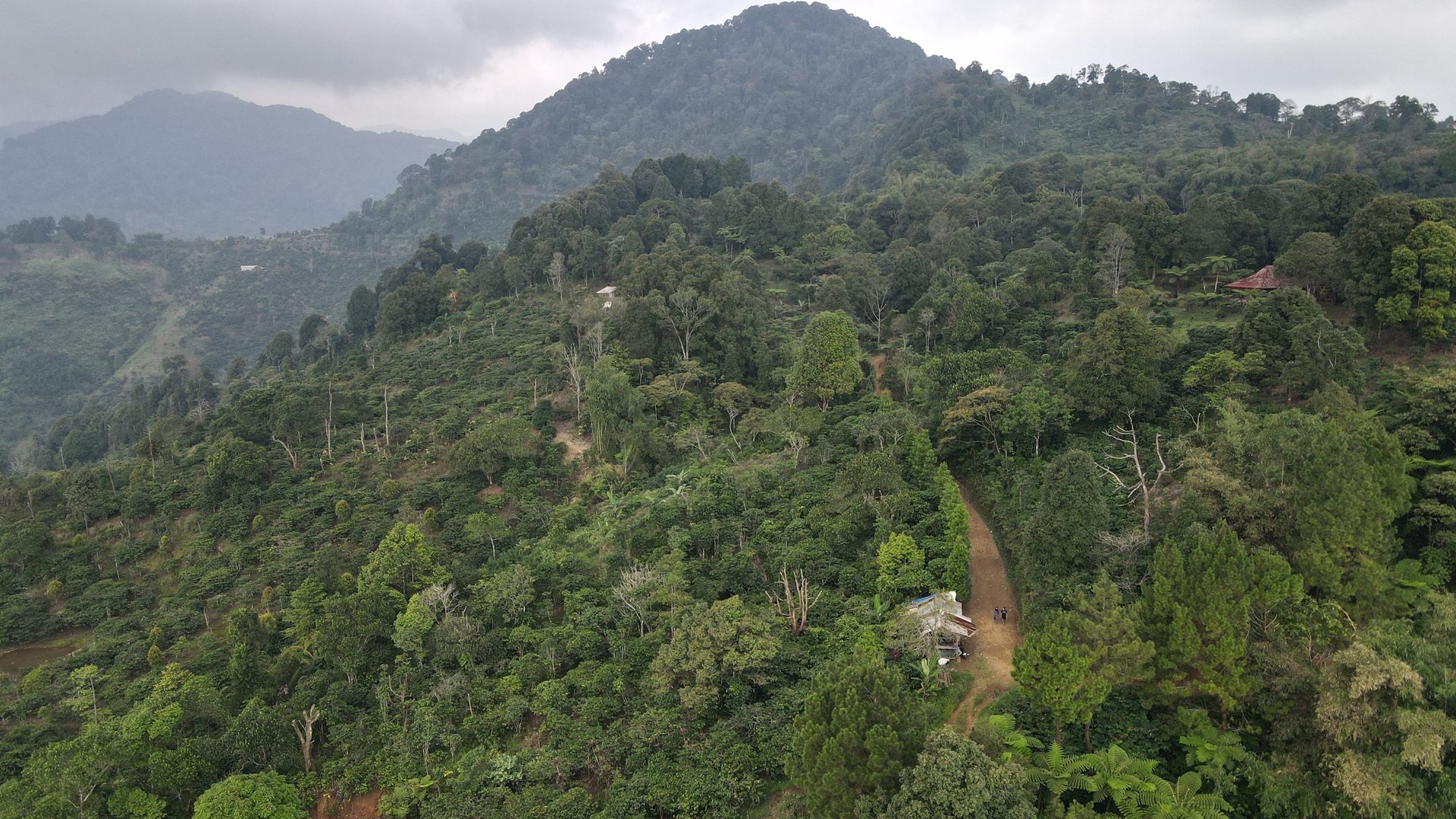
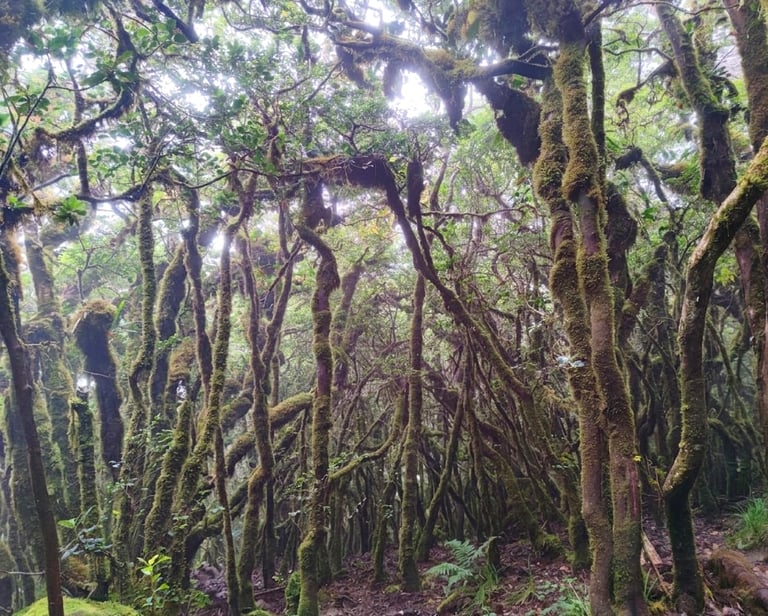
Forest bathing (or shinrin-yoku) is a Japanese wellness practice that involves immersing yourself in nature through all your senses. Far more than just a hike, it is a mindful, low-impact exercise where you quietly take in the forest atmosphere to de-stress and boost your physical and mental well-being. These are the key health benefits of forest bathing:
Stress Reduction: Proven to lower cortisol (the stress hormone) and blood pressure, shifting your body out of "fight-or-flight" mode.
Immune Boost: Trees release natural compounds called phytoncides, which have been shown to increase the number and activity of white blood cells that fight off infections and diseases.
Mental Clarity: Helps alleviate anxiety and depression while improving overall mood and cognitive function.
FOR MORE INFORMATION
FOR RESERVATION
WHATSAPP CONTACT
BATUTARA ADVENTURE
The Best Service, The Best Adventure